Gyms present a unique security challenge. You have valuable equipment scattered across an open floor, members’ personal belongings left unattended in lockers, high foot traffic from people who aren’t your employees, and — increasingly — legal obligations around how you handle footage of the people using your facility. A well-planned CCTV system addresses all of this, but only if it’s placed correctly and run in line with Singapore’s data protection rules. Here’s what a modern gym CCTV system should actually deliver, and where the legal lines sit.
- Deterrence and Evidence for Theft and Vandalism
Gyms are attractive targets for opportunistic theft — phones, wallets, and bags left in lockers or on benches during a workout are easy pickings. Visible cameras at entrances, locker room entrances (not inside the locker rooms themselves — more on that below), and equipment floors reduce opportunistic theft and give you usable footage if something does go missing. For insurance and police reports, timestamped, clear footage is far more useful than a vague verbal account of “someone took my bag.”
- Member Safety and Incident Documentation
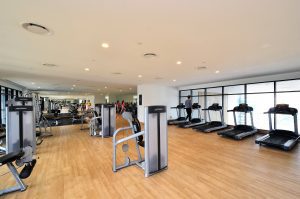
Weight rooms and cardio floors carry a genuine risk of accidents — dropped weights, equipment malfunctions, or members attempting exercises beyond their ability. CCTV coverage of these areas lets staff respond faster to an incident and gives you an accurate record if a member later disputes how an injury occurred. This is particularly valuable for gyms operating with minimal staff during off-peak or 24-hour access periods, where a camera may be the only “witness” available.
- Equipment Monitoring and Maintenance Planning
Camera footage of high-use equipment areas can help you spot patterns — which machines get the heaviest use, where equipment is being misused in ways that cause damage, and which areas need more frequent maintenance checks. This is a genuinely underused benefit: most gyms only look at footage reactively, after something breaks, rather than using it to plan maintenance schedules proactively.
- Remote Monitoring Across Multiple Locations
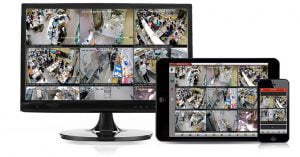
If you run more than one outlet, cloud-connected CCTV lets you check in on any branch from your phone without being on-site. This is useful for spot-checking cleanliness, queue lengths at peak hours, or confirming a reported incident, without pulling a manager away from their own location.
- Staff Accountability
Camera coverage of reception and service areas can help confirm that opening/closing procedures, cleaning schedules, and customer service standards are being followed. Handle this carefully: staff are entitled to know they’re being monitored and why. Blanket, undisclosed monitoring aimed specifically at staff performance is more likely to damage morale — and more likely to run into PDPA notification issues — than monitoring framed around general premises security that happens to also cover work areas.
- Identifying Layout and Safety Problem Areas
Reviewing footage over time can reveal recurring near-misses — a blind corner where members almost collide, a piece of equipment that consistently causes queuing and frustration, a spot where the floor gets slippery near a water fountain. This is a genuine, underused benefit of a well-placed system: it turns your CCTV into a layout diagnostic tool, not just a security one.
- Dispute Resolution and Legal Protection
If a member disputes a billing issue, alleges an injury was caused by faulty equipment, or claims a staff interaction went differently than it did, footage is often the clearest way to resolve the matter — for both sides. This cuts both ways: accurate footage can also protect a member’s legitimate claim, not just the gym’s position.
- Cost-Effective Insurance and Risk Management
Some insurers offer more favourable liability terms to commercial premises with documented CCTV coverage, since it reduces the insurer’s own evidentiary risk in a dispute. It’s worth asking your insurer directly whether this applies to your policy rather than assuming a discount — terms vary by provider.
Two Benefits Worth Retiring
The earlier version of this article listed “training and development” and “marketing and advertising” as benefits of gym CCTV footage. We’re removing both. Using footage of identifiable members for marketing materials, without their specific, separate consent for that use, is a different purpose from your original security notice — and reusing security footage this way is a common way businesses unintentionally breach the PDPA’s “reasonable purpose” and consent obligations. If you want member testimonials or promotional photo/video content, get dedicated consent for that specific purpose; don’t repurpose your security footage for it.
Where Gym CCTV Legally Cannot Go
This is the part most gym CCTV guides skip, and it matters more for gyms than almost any other business type: changing rooms, shower areas, and toilets are strictly off-limits, with no security justification that overrides this. Installing cameras in these spaces can amount to criminal offences under Singapore law relating to voyeurism and outrage of modesty, on top of exposing your business to PDPA enforcement. Camera placement should stop at the locker room entrance — monitor who goes in and out, never what happens inside.
Getting Compliant: What the PDPA Requires of Gyms Specifically
Because gyms handle a constant flow of the public — many of whom are not your employees and have not signed an employment contract acknowledging monitoring — clear, visible signage at entry points is your main compliance tool. State that the premises are under CCTV surveillance and the purpose (security and safety monitoring). For members, it’s good practice to also reference CCTV use in your membership agreement.
If a member ever asks to see footage that identifies them, you’re generally expected to provide access within a reasonable timeframe under PDPA Sections 21 and 22. Where footage also identifies other members, you can still comply by blurring or masking those other individuals rather than withholding the footage entirely.
Retain footage only as long as you have a legitimate reason to — for most gyms, this means a rolling retention window (commonly 30 days) unless specific footage has been flagged for an ongoing dispute or investigation.
Choosing the Right System for a Gym Environment
Gyms have specific technical demands that differ from a typical office:
- Wide dynamic range (WDR): gym floors often have bright natural light near windows next to darker equipment zones — WDR cameras handle this contrast far better than standard sensors.
- Coverage over blind-spot elimination near equipment racks: large machines and pillars create dead zones; plan camera placement around your actual floor layout, not a generic template.
- Durability: cameras near free-weight areas should be rated for accidental impact, not just weatherproofing.
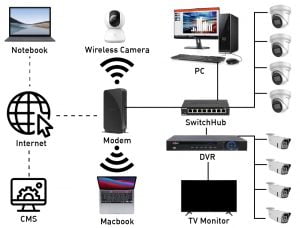
- Sufficient storage for your member volume: higher foot traffic and 24-hour access models generate more footage — size your NVR/cloud storage plan accordingly rather than defaulting to a residential-grade package.
Final Thoughts
A gym CCTV system pays for itself in deterred theft, faster incident resolution, and fewer disputed liability claims — but only if it’s placed with the specific risks of a gym environment in mind, and run within Singapore’s data protection rules. Keep cameras out of changing rooms and showers without exception, be transparent with members and staff about what’s being monitored and why, and treat your footage as a security tool rather than a source of promotional content.